
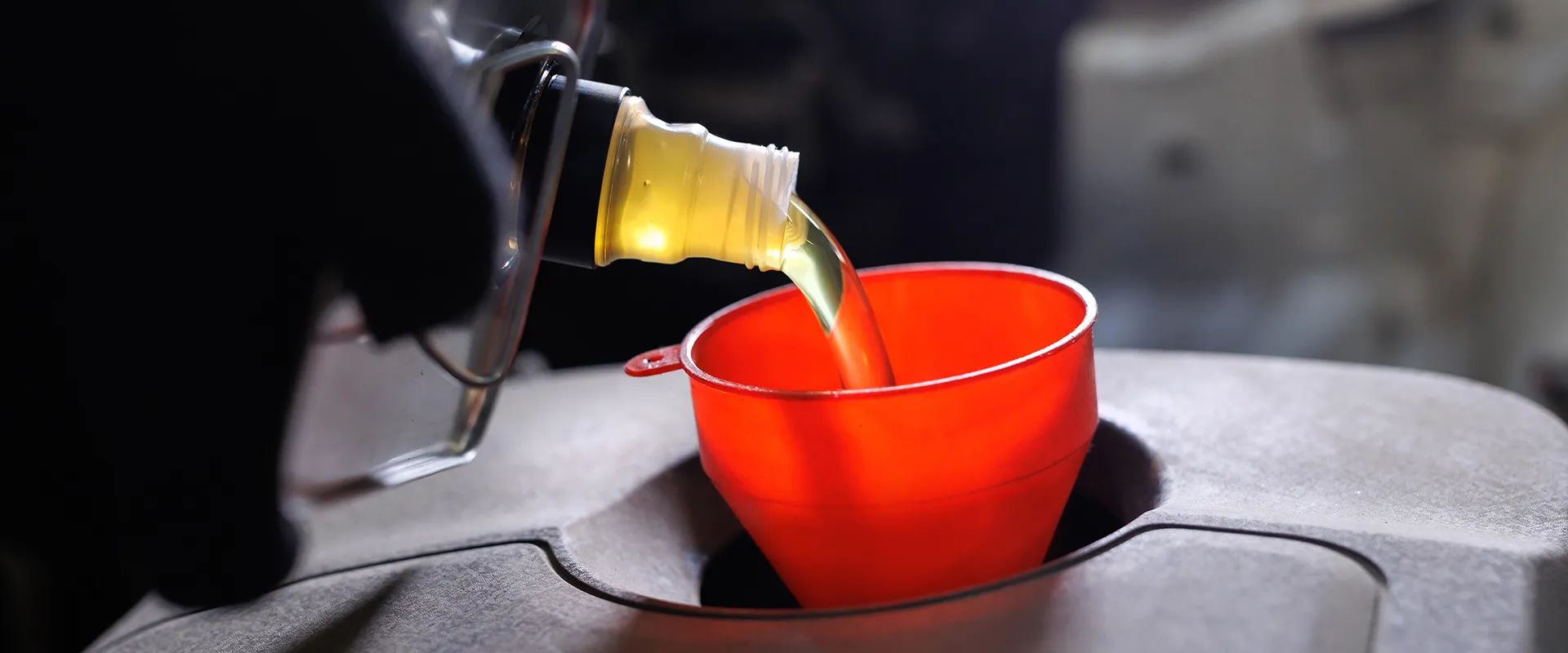
Oil Change in San Marcos, CA
Routine oil changes are the cornerstone of maintaining your engine’s health and longevity. At Knight’s Automotive, we’re proud to offer you an expert oil change in San Marcos, CA, designed to keep your vehicle running smoothly and efficiently, mile after mile.
The Importance of Regular Oil Changes
Engine oil serves multiple essential purposes, including lubricating internal components, reducing friction, and regulating temperature. Over time, oil breaks down and loses its effectiveness, which can lead to increased wear and tear. Regular oil changes prevent sludge buildup and ensure your engine operates at peak performance.
Choosing the Right Oil for Your Vehicle
Not all engines require the same type of oil. Our team will assess your vehicle’s needs based on manufacturer recommendations and driving habits to select the best option. Whether it’s conventional, synthetic, or a high-mileage blend, we’ll make sure your engine gets exactly what it needs to thrive.
Comprehensive Oil Change Service
When you bring your car to Knight’s Automotive, we go beyond simply replacing the oil. Our oil change service includes a fresh oil filter, a fluid level check, and a quick visual inspection of key engine components. This attention to detail helps us catch potential issues early and keep your vehicle in top shape.
Benefits of Staying on Schedule
Following a consistent oil change schedule can improve fuel efficiency, extend engine life, and reduce costly repairs. Neglecting oil changes, on the other hand, can result in engine overheating or even catastrophic damage. Protect your investment with timely maintenance performed by our skilled technicians.
Oil Change Near Me
Don’t wait until it’s too late—routine oil changes are one of the simplest ways to keep your car in excellent condition. For a dependable oil change in San Marcos, CA, Knight’s Automotive is here to help. Give us a call today to book your next service and experience the difference expert care makes!
Frequently Asked Questions About Oil Changes
How can I tell when my vehicle is due for an oil change?
In addition to following your manufacturer’s recommended maintenance schedule, your vehicle may give you signs that it’s time for fresh oil. An illuminated oil maintenance reminder, dark or dirty oil on the dipstick, louder engine operation, reduced fuel efficiency, or a burning oil smell can all indicate it’s time for service. Routine oil changes help keep your engine properly lubricated and protected.
Why does my engine still make noise even after an oil change?
Fresh oil improves lubrication, but it won’t repair mechanical wear that has already occurred. If your engine continues to make ticking, knocking, or other unusual noises after an oil change, there may be an underlying issue such as low oil pressure, worn engine components, or valve train problems. A professional inspection can determine whether additional diagnostics are needed.
Does my oil filter need to be replaced with every oil change?
Yes. The oil filter captures dirt, metal particles, and other contaminants as oil circulates through the engine. Replacing the filter during every oil change ensures clean oil continues flowing properly and helps prevent contaminants from circulating back through the engine. A new filter is an important part of protecting long-term engine performance.
Can delaying an oil change lead to expensive engine repairs?
Absolutely. As engine oil ages, it loses its ability to lubricate, cool, and clean internal components effectively. Old oil can break down into sludge, increase friction, and accelerate engine wear. Keeping up with routine oil changes is one of the simplest and most cost-effective ways to help prevent premature engine damage and extend the life of your vehicle.
What else is typically checked during an oil change service?
An oil change is also an opportunity to inspect your vehicle’s overall condition. Technicians commonly check fluid levels, belts, hoses, battery condition, tire pressure, and look for signs of leaks or excessive wear. These routine inspections can help identify small maintenance concerns before they become larger, more expensive repairs.